

The hottest category to build in right now is fitness and wellbeing. Celebrities from Kourtney Kardashian (Lemme) to Jennifer Aniston (Pvolve) and Chris Hemsworth (Centr app) are getting in on the action, while British influencers such as Lucy Georgia (Sonny sunglasses) and Miles Nazar (Snax nutrition app) are building brand new businesses within it. A new running and electrolyte brand launches almost every week. There has never been more independent entrepreneurs within this space—and there has never been more customer demand.


There have also never been more brands within this space. Fitness and wellbeing is a hyperactive market, and businesses of diverse sectors are acting like kids in a candy store—more, more, more. Starbucks launched cold protein foam coffees. L Catterton, the private equity firm that owns a majority share in LVMH, acquired Hyrox. Zara Home launched an at-home gym collection which included £1100 weights benches—it sold out within a day. Streetwear brands like Minted NY launched a performance line that includes everything from sports fuel to sprinter shorts, while fashion brand Represent launched a performance line called 247 by Represent—it’s the fastest growing sector of the business. Even cafes and concept boutiques seek to capitalise on demand by launching their own run clubs as a means of tangibly bringing people together—and benefitting from the after-sport sales.
Fitness is no longer a siloed part of a person’s life; it’s becoming the thing they build their life around. The fitness experience, therefore, starts hours before the session itself. Why are brands focusing only on apparel and footwear?
Being visibly well has become a status symbol. Garmins are more of a signal than a Rolex, as reported by Grace Cook in the Financial Times; a luxury gym membership is more of a flex than entry into a private members’ club. A grocery shop at Erewhon is more aspirational than owning a luxury handbag, while an Oura ring says more about a person than a diamond—ultimately, that they care about their health and wellbeing. The metrics of modern-day success have shifted dramatically.


It’s not all about the product, either. Skims sponsored Team USA in the Olympics. Maybelline New York now sponsors the New York Marathon. Tiffany & Co backs the all-women’s racing series Athlos, where winners get a crown instead of a medal. No matter the category, brands or businesses that have nothing to do with fitness are seeking to align themselves with the sector to buy themselves relevance with a tuned-in customer who appears to have their life together. For brands, a seal of approval from a person so discerning about their own wellbeing is optically better for earning future customer trust than even the most successful marketing campaigns. Today, it’s less about the splashy billboard takeover, and more about the quiet, peer-to-peer recommendation that buys loyalty and results in real sales.
Where does this leave traditional sports brands? Every company, from Nike and lululemon to On and Gymshark, has built a brand by speaking to customers in very defined lanes. The road to customer expansion has been through introducing new sporting pursuits rather than amplifying the lifestyle: On built into tennis and hiking, while lululemon evolved from yoga into running, and Gymshark began targeting the hybrid athlete with a run collection built for more muscular bodies. Are they missing a trick by sticking so firmly within the lane of apparel and footwear? Has their focus on sport itself been too narrow?
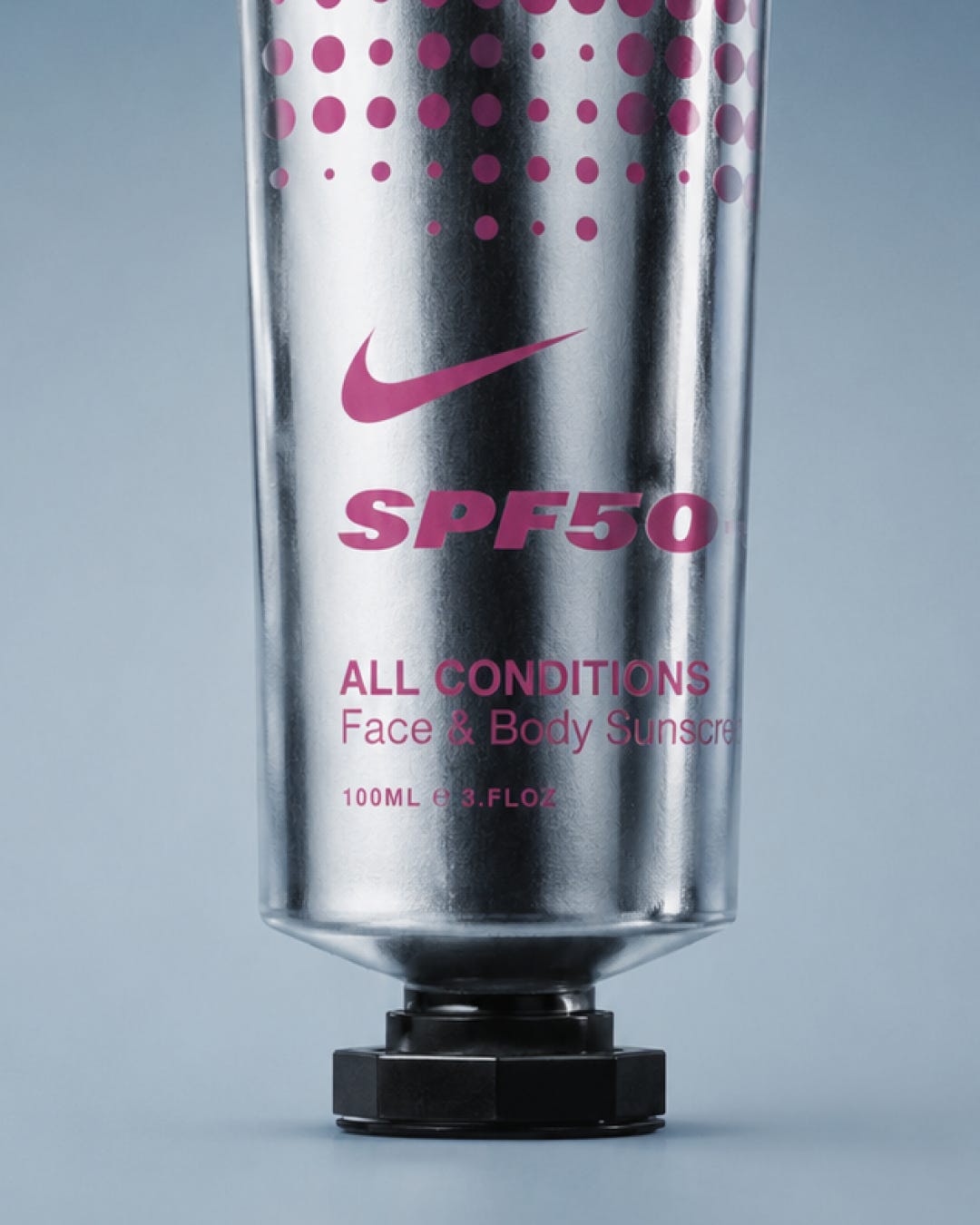
In short, yes. Innovation is happening everywhere within fitness, and traditional sports brands are at risk of being left behind. An example: new brand Wattz launched a sweat-proof sunscreen bolstered with creatine and electrolytes. It’s among the most creative, sports-focused launches within beauty to date. Where is Nike’s sunscreen that’s designed to withstand a marathon’s worth of sweat, or its jewellery collection that offers a creative play on a performance medal? Where is lululemon’s post-Pilates hydration mist or gua sha tool? Where is On’s conservation project that ties its heritage in the Swiss mountains and ethos for on-site sustainability within its Zurich headquarters with their customers—its staff cafe in Zurich, for example, serves only vegan meals.
Starbucks launched cold protein foam coffees. Zara Home launched an at-home gym collection which included £1100 weights benches, while streetwear brand Minted NY now has a performance line that includes sports fuel and sprinter shorts.
There is ample opportunity for brands to think wildly outside their own box—to create moments of surprise and delight that amplify the overall experience of the brand. Customers today want and need to feel engaged amid the doomscroll, and the loyalty and legacy that each of these brands have built are generally unwavering. One way to capitalise on this is to truly think of the bigger picture context and engage with who their customers are, and how they are living their lives. Fitness is no longer a siloed part of a person’s life; it’s becoming the thing they build their life around. The fitness experience, therefore, starts hours before the session itself. It’s shaping our sleep habits and the products we use; it begins first thing in the morning, and it ends the last thing at night.
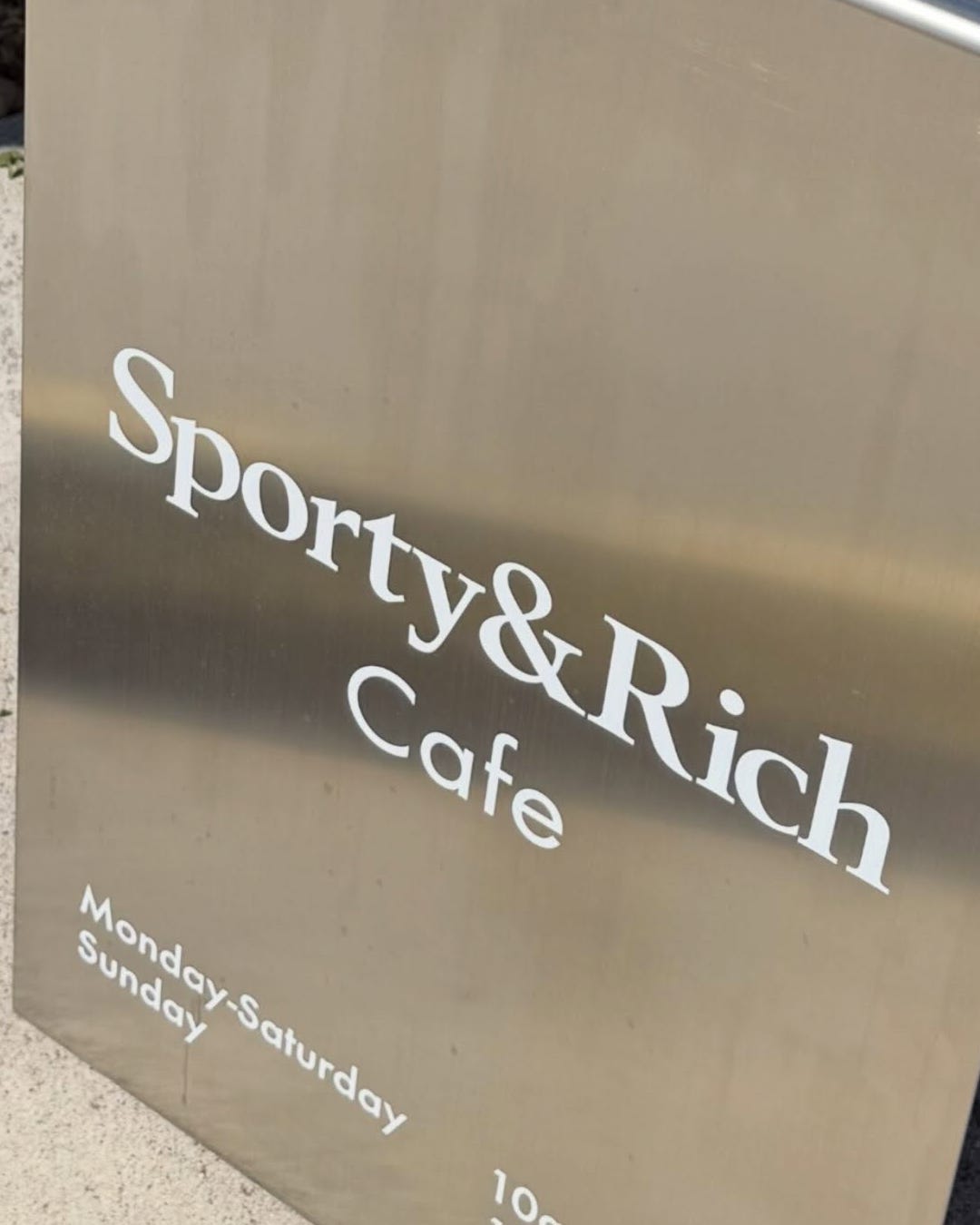
A while ago, we wrote a piece asking whether people would stay in a Nike hotel, and we believe hospitality is one key sector that sports brands are sleeping on. More sports brands have cafes and wellness experiences than ever. District Vision’s store in Los Angeles is set to have a contrast therapy suite; Sporty and Rich has a cafe selling protein shakes, as does Represent. Nike pops up at each major marathon with a cafe, but it has no permanent hub for hanging out.
Some brands have experimented with limited-edition products for events. Nike has played with jewellery by offering runners at its After Dark women’s race series a Nike-tick necklace instead of a medal. In its London partnership with Isamaya Ffrench, it created a lipstick alongside a metallic silver Vomero sneaker. Lululemon tested appetite for beauty in a 2019 partnership with Sephora that was soon shelved, but we believe it should be revisited with rigour. The market since then has changed dramatically. Things that were a definite stretch a few years ago would be a guaranteed win today. The Pilates princess lifestyle has gone from strength to strength: lululemon could own the hot girl Pilates walk end to end by launching an at-home matcha powder. The experience would be completed, naturally, with a lululemon sippy cup and straw.
Some of the most creative launches are happening outside of typical sports brands. The founder of Brewdog just launched a prickly pear “end of night” electrolyte drink that’s designed to curb hangovers—a genius move that blends health with hedonism. And so one question we’re asking ourselves is this: is every brand a fitness brand now? Should it be? Do brands need to have a wellbeing strategy and a point of view within health and wellness, similar to how each brand has a sustainability strategy?
The markets’ growth projection would suggest this would be an automatic yes, but the reality is more nuanced. Brands outside of the sector need to navigate this wave of momentum with both enthusiasm and caution; customers within this space are extremely discerning, and they can tell a mile off if a launch or an alignment is tokenistic and designed to ride on the coattails of fitness popularity.
The real work for brands is to understand exactly who their customer is, to think creatively about their lifestyle and to build with integrity. Fitness takes time to build, and so do muscles, and brands should think about playing the long game when it comes to activating an active customer. Remember, a brand’s lifespan should be a marathon, not a sprint. You don’t increase your VO2 max score overnight. To give your brand more oxygen, and more capacity, requires time, attention, and intention. Don’t sleep on it… but also, sleep on it.
Please more of this! Love it!
The opportunity feels huge, but brand permission probably matters more as you get closer to health. Nike making marathon-proof sunscreen feels completely intuitive; Nike asking me to trust a supplement or sleep product is a much bigger leap. Some credibility can transfer, but some still has to be earned.