

Activewear brands are a status symbol for younger Gen Z, but 70 percent of teens drop out of organised sport by the age of 13. Brands have a role to play in what’s next: teen fitness.
Beyond is an insight and strategy company shaping the future of sport and culture. In our fieldwork around the world, we’re hearing and seeing teens gravitating toward fitness culture as a new identity and status signal. In this piece, we make the case for why aspirational activewear brands have an untapped and urgent opportunity in the teen market - and what it will take to get it right.
Fitness is taking over modern culture. Bars have been replaced with Barry’s bootcamp as a social activity; the sauna has become the new community hangout; gym memberships are booming; Erewhon smoothies have become a status symbol and, in millennial and Gen Z culture, being well is becoming a social flex. But there is an underlying reality that isn’t apparent on Instagram. Some 70 percent of kids drop out of organised sport by the age of 13, according to research by the National Alliance for Sports. For girls, it happens even earlier. There is an historic infrastructure built around youth athletics, but there is no playbook for youth fitness more broadly; where is the fitness programme for kids who are not talented at sport?
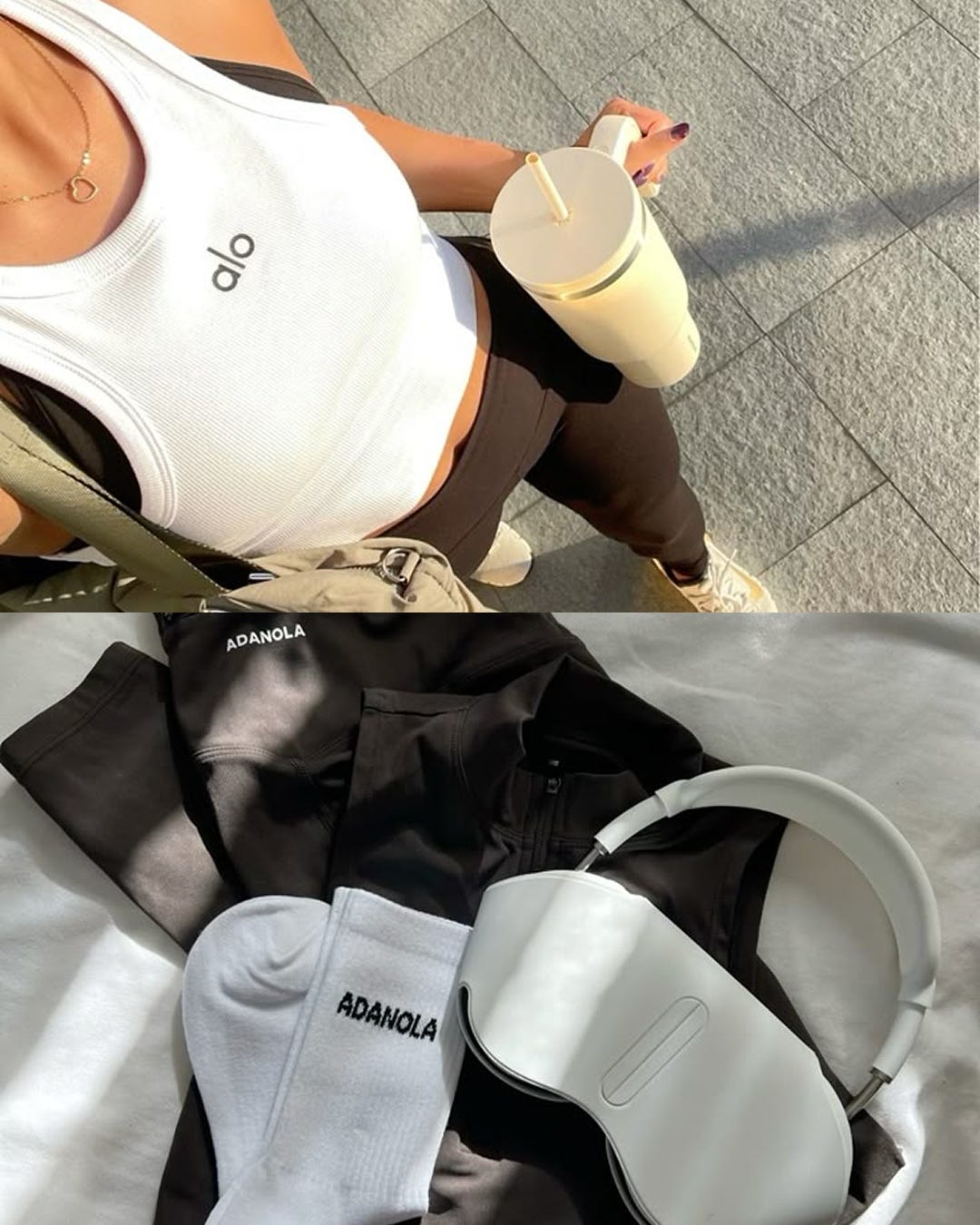
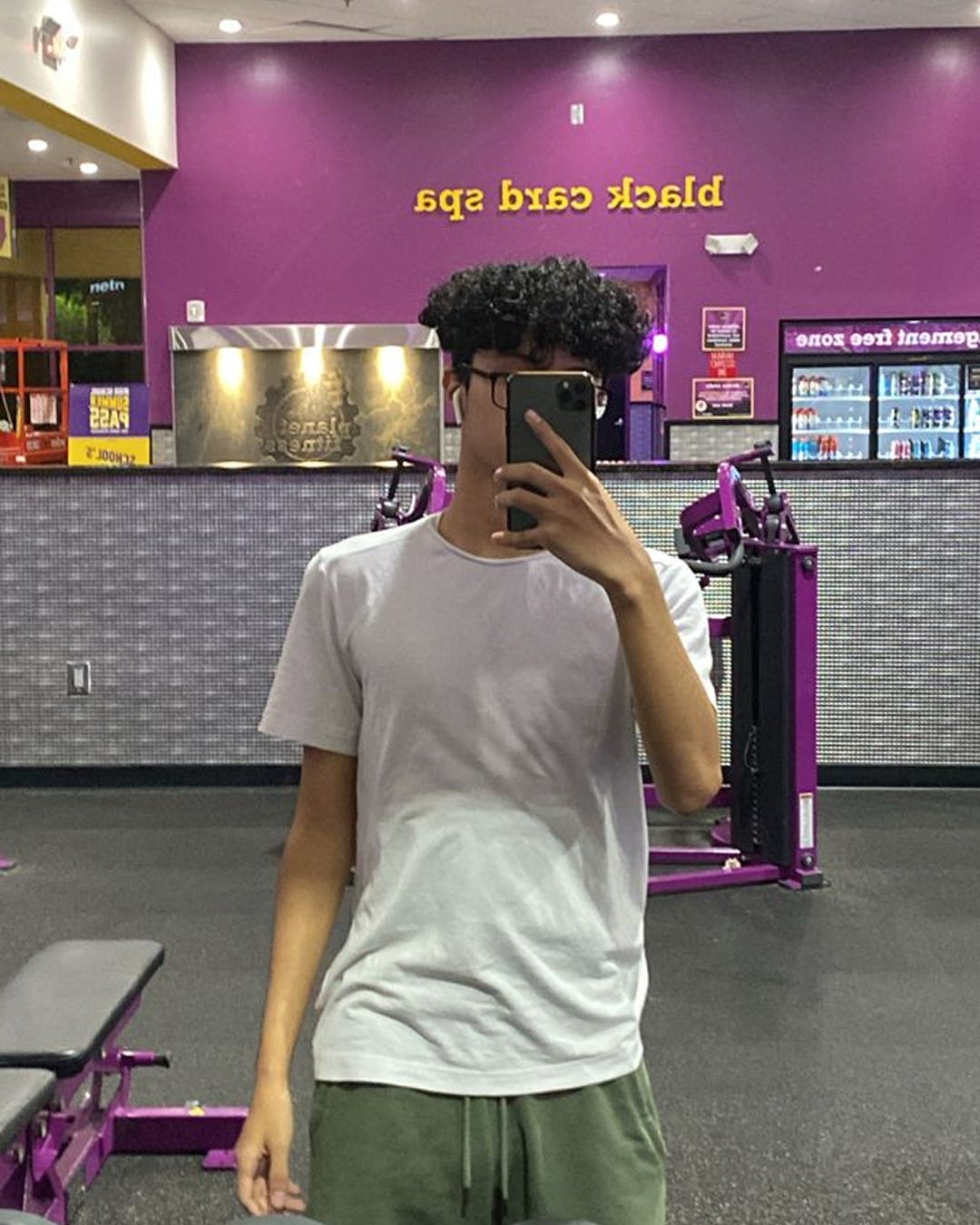
For kids that drop out of sport, and for those who were never in it to begin with, a new pillar is emerging—adult fitness culture. Teens are discovering the gym and the Pilates studio; they’re going on Saturday morning runs and to the sauna with their parents. The cultural transfer is already happening. Millennial and Gen X parents are seeing and seeking fitness as family bonding time; at Siro in Montenegro last summer, we saw a family of four with two teen boys participating in a Hyrox class on a Friday night. In Newquay recently, we met an 11-year-old visiting the sauna with her mother. Gyms are responding to the shift by adding teen gym sessions and memberships to their programming; David Lloyd in the UK offers family classes for 14+, while Planet Fitness has a high school summer pass. From June 1 to August 31 2026, teens can work out for free.
The boom in fitness culture has turned activewear and an active lifestyle into the new status symbol for young teens. Hailey Bieber’s $20 Erewhon smoothies have become the perfect fodder for pocket money, in turn making the cult Los Angeles supermarket a trendy place to hangout. A 14-year-old we met in Ohio owned $25 pots of Rocky’s Matcha and wants to wear Alo Yoga like Kendall Jenner; the 11-year-old we met in the sauna also wants to wear Alo. Teen boys in the UK are asking their parents for Represent 247’s Training Club tees instead of Playstations.
Youth culture now is inextricably linked with social media. Teens today are more susceptible to cultural signals than ever before; what they see online shapes what they deem to be aspirational. In 2026, young teens are witnessing wellness culture online on an unprecedented scale. Self-care rituals have been normalised—from red light masks to “hot girl” walks and Pilates, to young guys grinding in the gym, competing in Hyrox and running half marathons. Gen Z are increasingly bodybuilding, and looking good in a tank top today buys social currency in youth culture. TikTok and Instagram are filled with younger people documenting their fitness routines.
Today’s teens are tomorrow’s customers, but so far, brands have been slow to catch onto the opportunity. The exception currently is Gymshark, which smartly sponsors the Planet Fitness summer pass; every kid that signs up also receives a 20 percent discount code off Gymshark gear. Currently, those kids need to shop the adult collection.
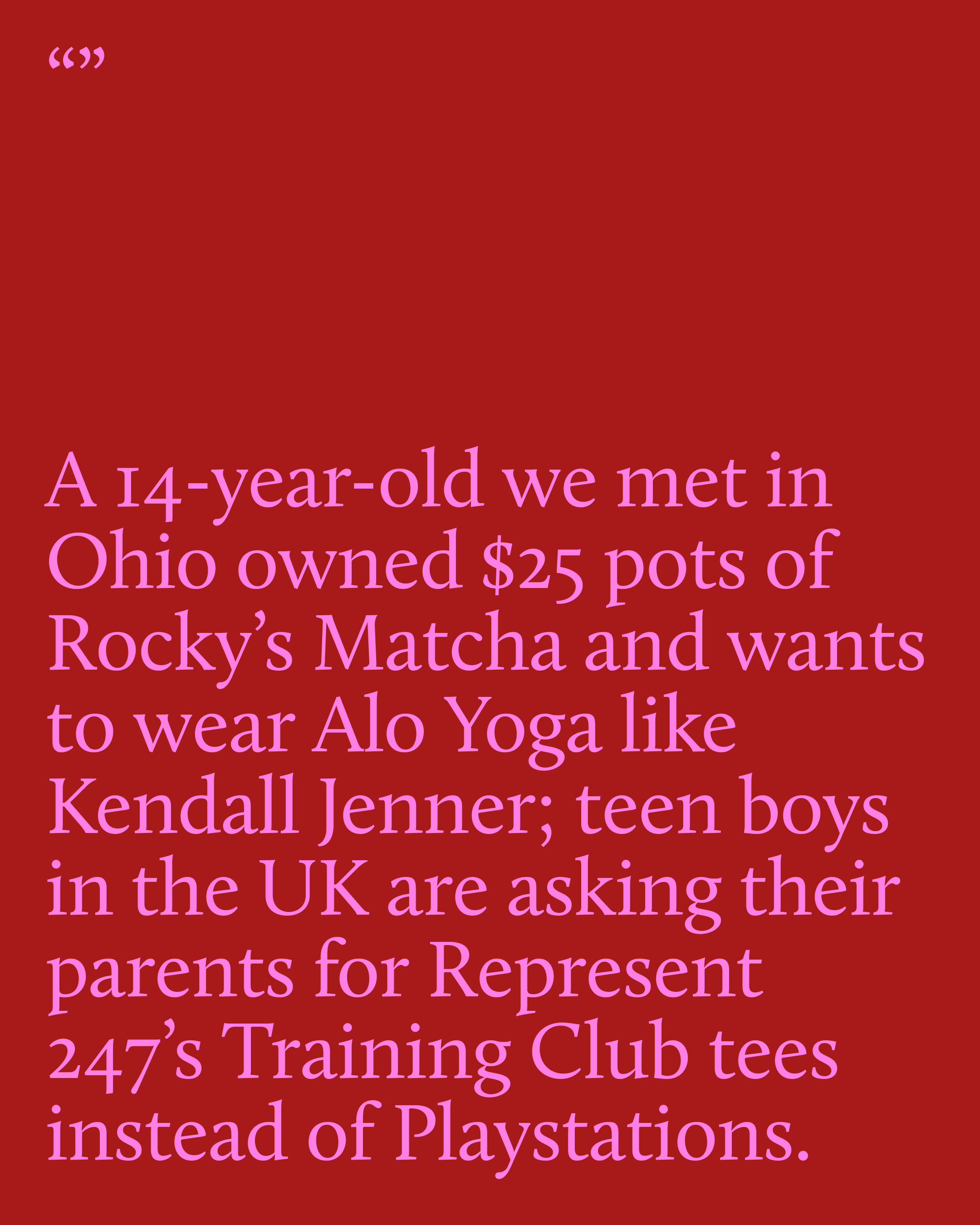
Brands need to understand the white space. Gymshark is laying the foundations, but so far, no aspirational brand has built seriously for this demographic. The brands that hold market share—Adidas, Nike, and Under Armour—do so by default, not desire. The collections are not style-led or culture driven, and the marketing speaks more to team sports. It’s not aimed at those who are intentionally moving their bodies through more individualised pursuits so, to those teens, it feels irrelevant. Despite Adidas and Nike both launching training collections for adults recently, there is no offshoot for teens; for teen girls in particular, the aesthetic of the fits doesn’t align with their chosen practice. Plus, Nike is not typically worn by women in Pilates studios—those spaces are dominated by lululemon, Alo Yoga, and Adanola. For teens, there’s a brand alignment mismatch between products available in their size, and their chosen practice.
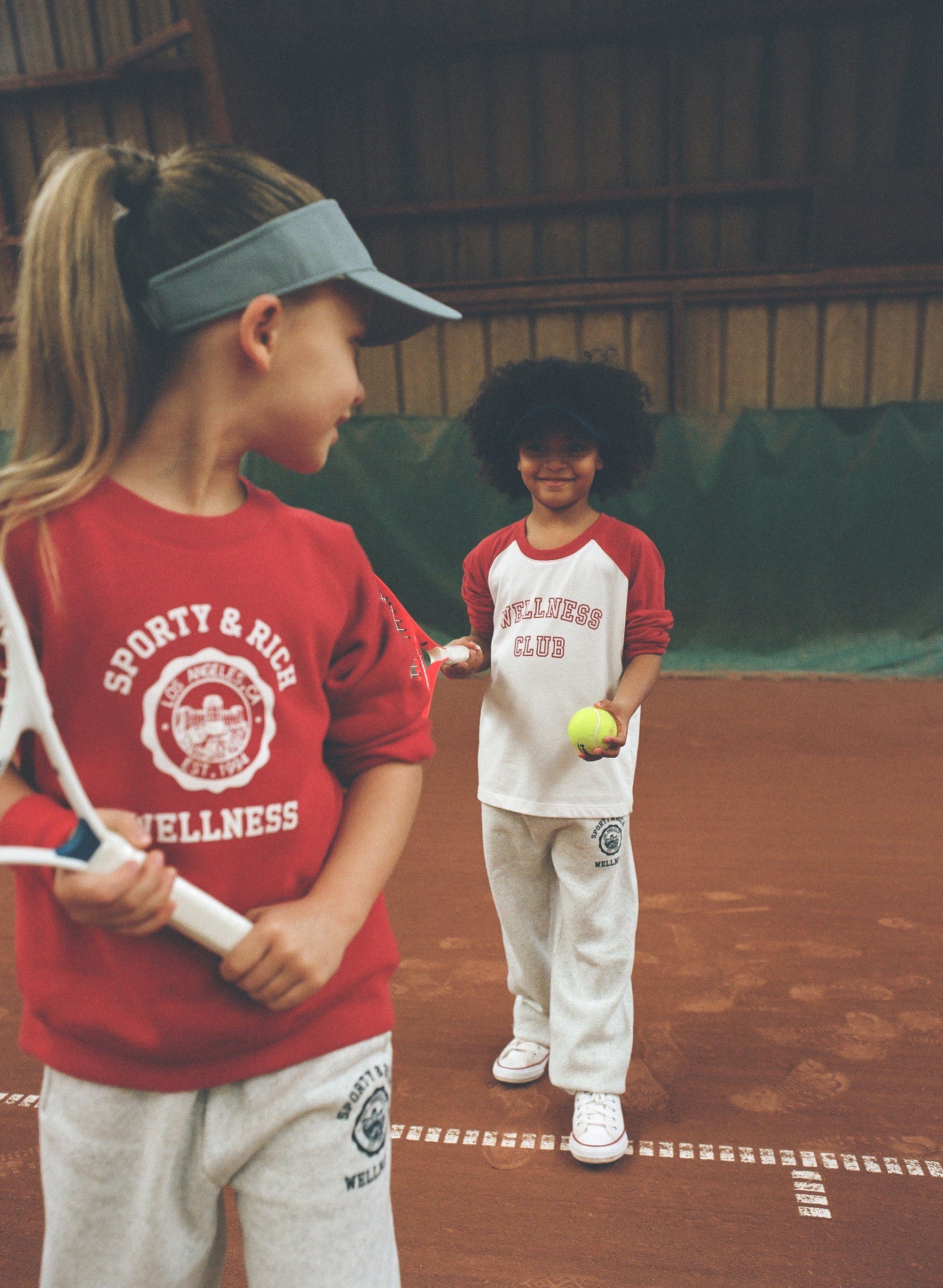
The appetite for activewear among this young and pre-teen demographic is high. In May, Sporty & Rich launched a collection for young teens—it’s a unisex line of “wellness” emblazoned sweatpants and sweatshirts, which goes up to age 14. It’s a smart move from founder Emily Oberg, who built her retro sport aesthetic into an aspirational lifestyle brand worth $50 million by building into the fashionability of looking “active.”
From a fitness perspective, brands we think are primed to dominate this pre-teen category include Gymshark, Represent 247, Young La (for boys), and Alo Yoga, Skims, and Adanola (for girls). In an industry saturated with competitors, going for an untapped market is a smart way to sustain growth.
However, a teen range needs more thoughtfulness than simply shrinking adult products to fit. Gear needs re-priced and redesigned in order to successfully and suitably cater to younger customers.
Products also need to be reworked, or recast with entry-level price points that parents won’t be reluctant to spend on. Alo Yoga does this well with accessories like hair scrunchies, while Adanola’s £20 Pilates grip socks have been a runaway success. Skims has an excellent collection of sleepwear in a range of teen-appropriate colours and designs, but there is space for this to expand to products worn outside the home. Teen boys grow fast, and brands need to offer pieces that don’t dilute the price point of the mainline collection, but which equally don’t feel like a lesser version. T-shirts are a good place to start.
For girls, there’s an extra sensitivity in creating age-appropriate clothing. A young teen line would need to maintain elements of the mainline’s best-selling items, but repackage them in a way that was suitable for the wearer. For example, Gymshark’s scrunch-bum shorts and leggings. Could the signature ruched design elements be incorporated into teenage garments in a way that felt authentic to the brand and the wearer, yet suitable for a younger customer?
Brands we think are primed to dominate this pre-teen category include Gymshark, Represent 247, Young La, Alo Yoga, Skims, and Adanola.
Girlswear also needs consideration when it comes to fit, fabrics and product-related language. Teens do not need to be told their bodies should be “sculpted”; at such a tender age, they don’t need to be compressed into body-contouring shorts. There’s also a thoughtfulness required around the nuances of teen body types, and a need to create collections that offer signature pieces in a range of fits that cater to inclusion. Designing and fitting on a range of authentic teen body types is key to not alienating this body-conscious customer. Puberty is a tricky time for girls to navigate, and brands need to create fitness apparel that is mindful of this. Gear that makes a young girl feel confident will encourage her to move her body. Gear that makes her self-conscious will have the opposite effect.
Crucially, teens want to feel a part of something. Represent 247, a brand founded by two brothers, has very successfully created a loyal community that feels like a family. There is opportunity for this to become multi-generational; for the brand to bring in younger customers to make young guys, who are increasingly disillusioned and searching for community online, to be a part of something analogue and which encourages (within fitness) personal growth. Centering body confidence as well as inclusion will earn it a lifetime of brand loyalty. This is why Gymshark’s tie-up with Planet Fitness is so astute. The brand is already the go-to choice for 18-25-year old bodybuilders in the gym. Offering younger teens who sign up to the Planet Fitness summer pass a discount enables Gymshark to become inextricably linked with a teen’s fitness origin story. It’s an easy route to build modern lore.
The brand that keeps a teenage girl wanting to exercise after she quits soccer isn’t only making a sale. It’s making culture. It’s changing futures.
And lore is what any new activewear brand needs to create. In a competitive sportswear market dominated by stalwarts with decades-worth of culture, new brands need to start for something. They need to create and cultivate an emotional relationship with their customers.
Brands are in an influential position today where they can positively impact a teen’s journey with fitness more broadly. Engaging a younger teenage customer is about more than product or bottom-line sales. It’s about potentially changing a teens’ relationship with movement, period.
If those leggings, that sports bra or that “Training Club” T-shirt are an aspirational status symbol, they are also the gateway to a teen discovering a lifetime of health and wellbeing through fitness.
Brands can step in where organised sports have failed. The brand that keeps a teenage girl wanting to exercise after she quits soccer isn’t only making a sale. It’s making culture. It’s changing futures.
Our message to brands is this: get clear on your teen strategy. To reiterate, today’s 14-year-old is tomorrow’s customer, and the brands that show up today and nurture that nascent interest in fitness will write their own lore. Become the reason that kids fall in love with fitness. Empower them to build healthy habits. Make an impact. Enable someone’s personal legacy. A pair of gym shorts won’t ordinarily change someone’s life, but in this instance…what if they could?